
Counselling for University Students in Bristol
University can be an exciting time, full of new experiences, opportunities and possibilities. But it can also feel more difficult than you expected.
Perhaps you're finding it hard to settle in, struggling to make friends, feeling overwhelmed by your studies or questioning whether you belong. You might be dealing with anxiety, loneliness, relationship difficulties or pressure to make the most of your time at university. Or perhaps, on the surface, everything looks fine, but underneath you're finding things harder than you let on.
You don't have to be in crisis to benefit from counselling, and you don't need to have all the answers before you begin.
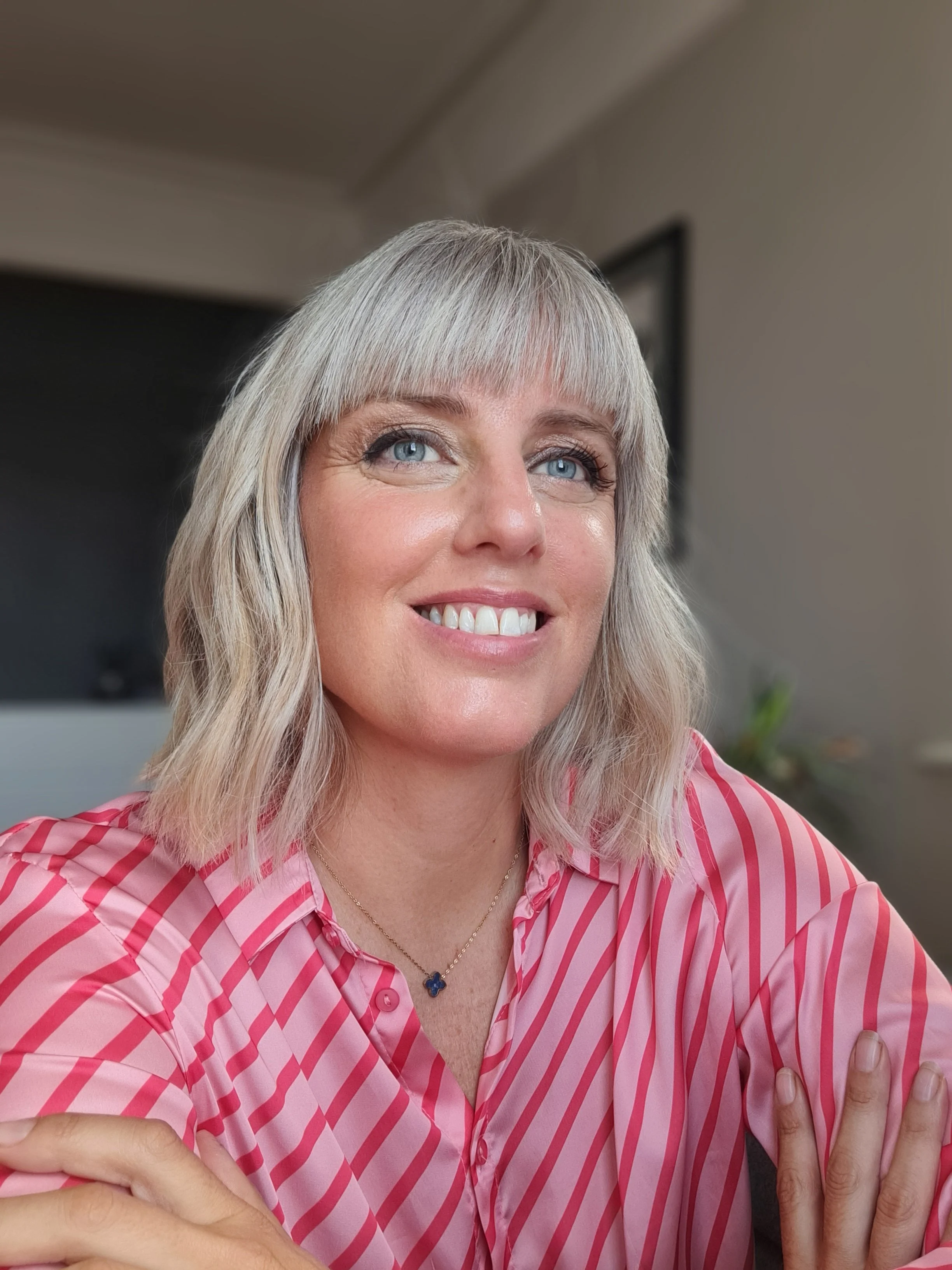
I'm Caroline, a qualified Psychotherapeutic Counsellor offering in-person counselling on Park Street in central Bristol, close to the University of Bristol, as well as online counselling across the UK.
Before becoming a therapist, I worked in education and the arts, and have lived all over the world, from Katmandu to New York.
Alongside my experience as a therapist, I have an extensive understanding of supporting students and awareness the pressures of student life.
-
Starting university, moving away from home or adjusting to a new stage of life can bring up feelings you weren't expecting. Even if you've looked forward to this experience for years, you might find that the reality feels different.
You may be comparing yourself with other students, wondering why everyone else seems to be coping, or feeling pressure to make friends, achieve good grades and enjoy yourself all at once. You might be missing home, questioning your choices or feeling unsure about who you are becoming.
Some of the things we might explore in counselling include:
Anxiety, overthinking and worrying about the future.
Academic pressure, perfectionism and fear of failure.
Loneliness, friendships and feeling like you don't quite fit in.
Low self-esteem, self-doubt and comparing yourself with others.
Family relationships, romantic relationships and setting boundaries.
Feeling overwhelmed, emotionally exhausted or unable to switch off.
Questions about identity, belonging, direction and what you want from life.
Difficult past experiences that continue to affect how you feel about yourself or relate to others.
Sometimes there is a specific problem you want to work through. At other times, you might simply feel unsettled, stuck or not quite yourself, without knowing why. We can start wherever you are.
-
It can be difficult to talk honestly with friends or family, especially if you don't want to worry them or feel that you should be managing things better. You might find yourself putting on a brave face, keeping busy or pushing difficult feelings aside because there doesn't seem to be time to deal with them.
Counselling offers a space that is just for you. You don't have to perform, have everything figured out or worry about saying the wrong thing. You can talk about what's really going on, including feelings or experiences that are difficult to explain to other people.
Together, we can begin to understand what might be contributing to how you're feeling, recognise patterns that aren't helping you and explore what you need. This might involve finding practical ways to manage anxiety and stress, building confidence, understanding your relationships or making sense of experiences that have shaped how you see yourself.
You don't need to arrive with a clear goal. Sometimes the first step is simply having the opportunity to slow down and be heard.
-
My approach is pluralistic, which means I recognise that everyone is different and that no single way of working will suit everybody. We'll work collaboratively, paying attention to what matters to you and what you find helpful.
Some people prefer practical tools and strategies for managing anxiety, stress or unhelpful thinking patterns. Others want space to explore their feelings, relationships and past experiences in greater depth. Often, a combination of approaches works best.
I draw on Person-Centred Therapy, Cognitive Behavioural Therapy (CBT), Gestalt, Transactional Analysis and Psychodynamic approaches, within a warm, relational and trauma-informed way of working.
My role isn't to tell you what to do, make decisions for you or suggest that there is one right way to live your life. It's to help you understand yourself more clearly, develop confidence in your own judgement and find a way forward that feels right for you.
-
My therapy room is on Park Street, BS1, in central Bristol, close to College Green and convenient for the University of Bristol. I offer in-person sessions on Wednesdays and Fridays, with online counselling also available if you prefer to meet remotely or are studying elsewhere in the UK.
Sessions usually take place weekly and last 50 minutes.
You may also be able to access support through your university. The University of Bristol and UWE Bristol both provide student wellbeing and mental health services. It's worth exploring these options too, particularly if you're looking for free university-based support.
Private counselling is another option if you'd prefer to arrange sessions independently and have a space to explore what's happening at your own pace.
-
Sessions cost £65 for 50 minutes. I also offer a limited number of reduced-fee spaces at £45 for people who meet my concession criteria. These spaces are limited, but you're welcome to ask about availability.
I offer a free, no-obligation 15-minute initial consultation. This gives us a chance to talk briefly about what brings you to counselling, ask any questions you have and consider whether working together feels right.
You don't need to commit to ongoing sessions just because you arrange a consultation.
-
Counselling provides a confidential space where you can talk openly about your thoughts, feelings and experiences. Confidentiality is subject to the usual legal and safeguarding limits, which I will explain before we begin.
If a parent or another person is helping to pay for your sessions, the counselling remains centred on you. I would not share details of what you discuss in sessions with the person paying without your consent, except where disclosure is required for legal or safeguarding reasons.
As an adult, you can make your own decision about whether counselling feels right for you.
Taking the first step
You might have been thinking about talking to someone for a while, or perhaps you've only recently started wondering whether counselling could help. Either way, you don't have to wait until things feel unbearable before reaching out.
If you'd like to explore whether counselling might be helpful, you're welcome to get in touch to arrange a free initial consultation.
Email: therapy.caroline.allen@gmail.com
Text or WhatsApp: 07913 229 603
Get in touch to arrange your free initial consultation
You don't have to work everything out on your own.
If you’re a parent, carer or guardian, find out more here.
If you’re experiencing an immediate mental health crisis or is at risk of harm, seek urgent support through your GP, NHS 111 or emergency services as appropriate.